
 0
0HTC
Desire X
Announced
30 August 2012
Weight
114 grams
Codename
Protou
Features
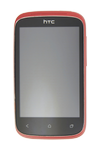
Announced at IFA Berlin in August 2012, the HTC Desire X was a mid-range smartphone designed to bridge the gap between the budget-friendly Desire C and the flagship One series. It represented a return to the "Desire" branding for a more mainstream audience, borrowing heavily from the design language and multimedia focus of the HTC One V and One S.
The Desire X featured a 4-inch Super LCD display with a 480x800-pixel resolution. While not as high-resolution as the flagship models, the screen was praised for its wide viewing angles and vibrant colours, thanks to the lack of an air gap between the display and the glass—a premium manufacturing technique HTC was championing at the time. Its design was soft and ergonomic, featuring a rounded polycarbonate body and a metallic ring around the camera lens, giving it a more sophisticated look than its price suggested.
Internally, the device was powered by a dual-core 1 GHz Qualcomm Snapdragon S4 Play processor and 768MB of RAM. This provided a noticeable performance boost over the single-core Desire models of the previous year. It launched with Android 4.0.4 (Ice Cream Sandwich) and HTC Sense 4.1, which offered a "lite" version of the Sense experience found on the One X, ensuring the interface remained snappy despite the mid-range hardware.
Multimedia was a key selling point, highlighted by the integration of Beats Audio, with the brand featured on the rear cover. This partnership provided a software-based equaliser intended to enhance bass and clarity when using headphones. The five-megapixel camera featured HTC’s "ImageChip," allowing for fast autofocus, continuous shooting (Burst Mode), and the ability to take stills while recording video—features usually reserved for high-end handsets.