 0
0Siemens
C45
Announced
September 2001
Weight
107 grams
Codename
Flipper
Features
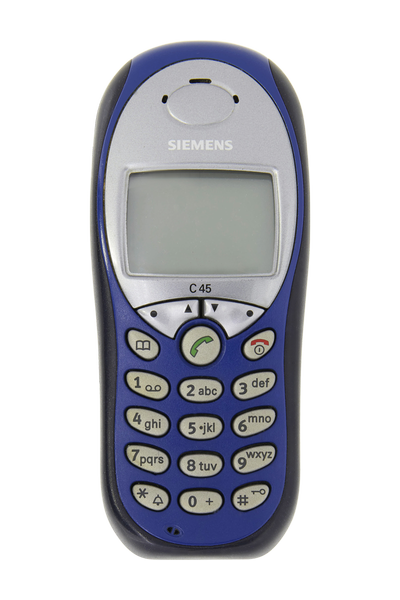
The C45 was launched by Siemens Mobile in response to the customisable features Nokia had long offered on its phones. These included interchangeable front covers, downloaded ringtones and customised screensavers.
The phone also offered a range of multiplayer games via the my-siemens.com online community website. This also provided a range of services, software and phone accessories.
The Siemens C45 was launched in late 2001 as a mid-range handset designed specifically to challenge Nokia’s dominance in the youth and "lifestyle" markets. Following the success of the C35i, the C45 represented Siemens' most aggressive push into personalisation and social mobile use.
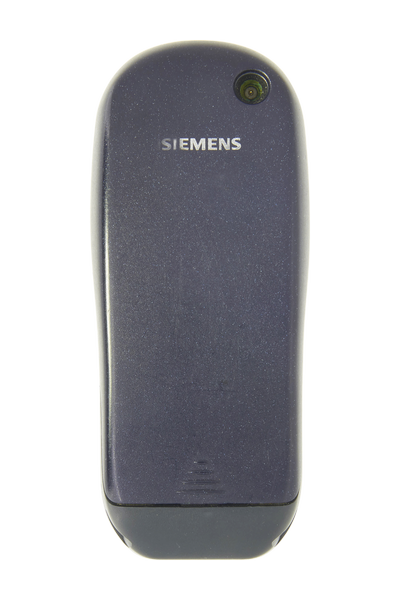
The defining feature of the C45 was its "CLIPit" cover system. Much like Nokia's famous Xpress-on covers, CLIPit allowed users to replace both the front and back of the phone with a variety of vibrant shells. To support this, Siemens launched the my-siemens.com online community, where users could download monophonic ringtones, bitmap screensavers, and "Calling Faces"—small icons assigned to contacts to identify callers visually.
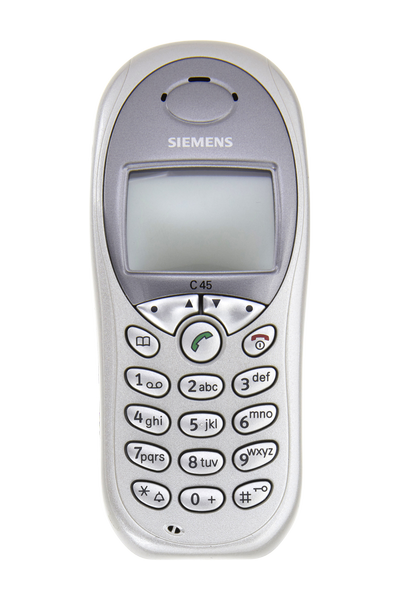
Technically, the C45 featured a monochrome graphic display with an orange backlight and could display five lines of text. While it lacked GPRS (reserved for the more expensive S45), it did support WAP 1.2 and featured EMS (Enhanced Messaging Service). EMS was a precursor to MMS, allowing users to send simple pictures and sounds to other compatible phones via standard text messages.
The phone was also well-known for its pre-installed games. It featured Balloon Shooter, BattleMail (an innovative turn-based multiplayer game played via SMS), and the iconic Stack Attack. In Stack Attack, players controlled a worker in a warehouse who had to arrange falling crates into complete rows to clear them—a game that became a cult favourite among Siemens owners.
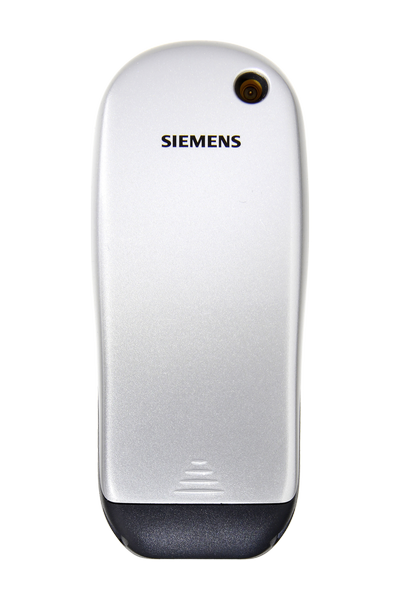
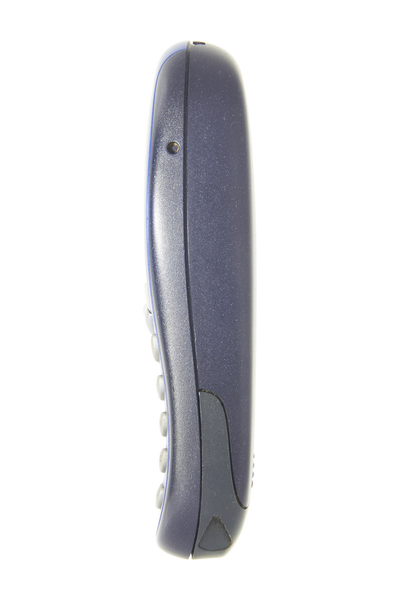
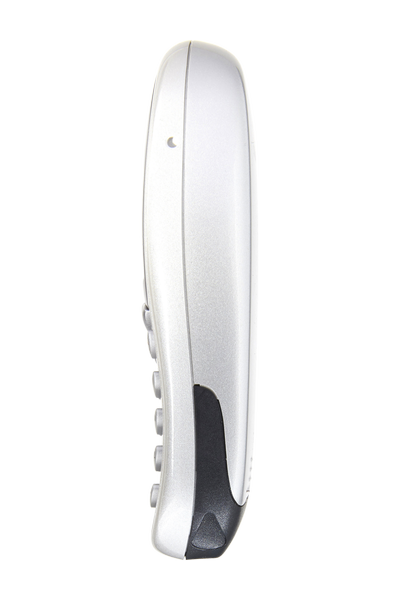
With its rounded, pebble-like design and lack of an external antenna, the C45 was significantly more modern-looking than its predecessors. It proved popular among prepaid customers across Europe and Asia, helping Siemens maintain its position as a major player in the mobile industry in the early 2000s.
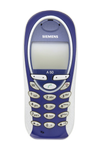
Interestingly, the Siemens A50, an entry-level model that came later, shared much of the C45’s internal hardware.