
 0
0MagCom
MagCom 3B
Announced
April 2001
Features
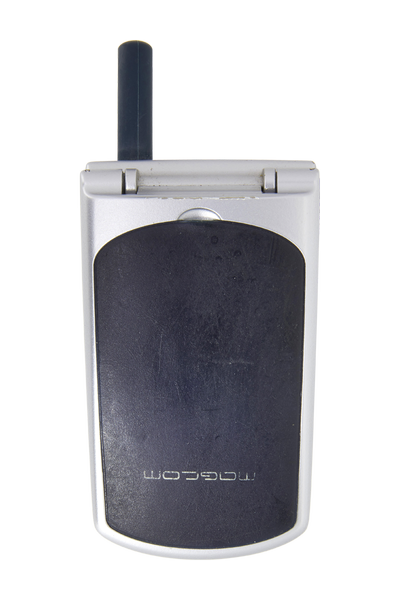
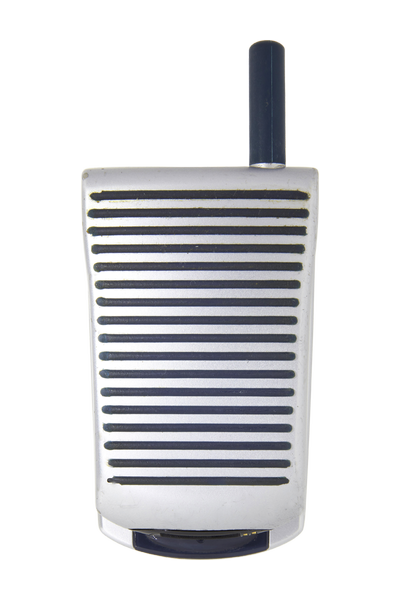
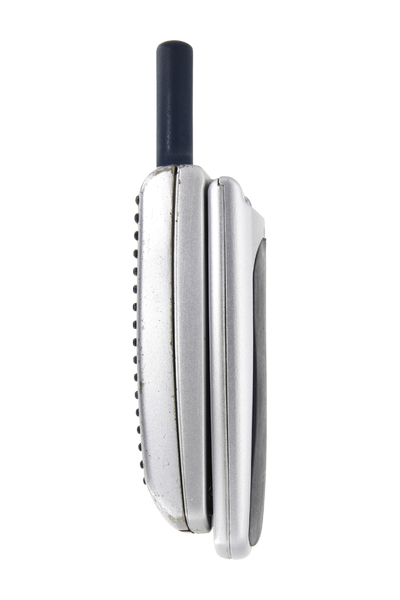
Norwegian mobile phone manufacturer MagCom was founded in 1999. The name was conceived by shortening ‘magnesium’ and ‘communications’. The MagCom 3B, which was launched in 2001, was the only phone it ever produced. It was particularly unique because of its magnesium casing. The company believed this was beneficial because the handset had a lower specific absorption rate (SAR). The 3B achieved a Specific Absorption Rate (SAR) of just 0.043 W/kg (some sources cite 0.005 W/kg), which was far below the 1.6 to 2.0 W/kg limits typical in the US and Europe at the time.
Interestingly, MagCom had hoped to offer the phone with an internal antenna, but it couldn't achieve adequate radio frequency (RF) performance, so it ultimately opted for a stub antenna.
Initially, MagCom hoped to cast the magnesium casing, allowing the bare metal to provide the device's final finish. Unfortunately, the casting quality wasn't good enough to achieve this, so the phone had to be painted silver to get a satisfactory finish.
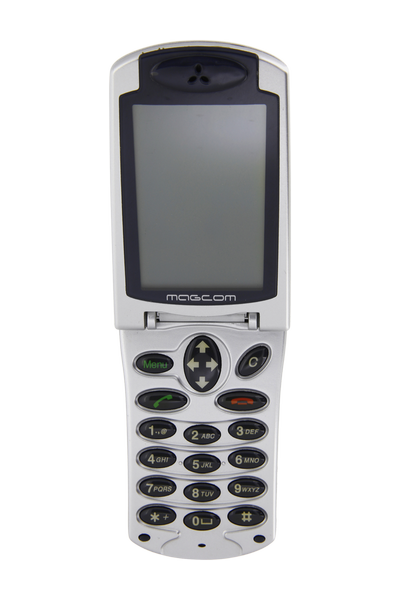
The MagCom 3B featured a large 64k-pixel black-and-white LCD display, capable of displaying 27 lines of text. This made it ideally suited for displaying content through the phone's basic HTML browser. Other applications on the phone, such as the phone book, used the browser and displayed content through internally generated web pages. Connectivity came from basic circuit-switched data (CSD) over a 2G GSM network.
CTO Egil Kvaleberg led much of the software development and helped develop the device's bespoke user interface software stack. The phone ran on a 2G Mobilink chipset (Mobilink was later acquired by Broadcom). The phone software was also designed to be easily upgradable by users via the mobile network. This was relatively unique at the time, as most phones had to be returned to a service centre or the manufacturer for a software update.
Other features included full native email support, plus an address book and calendar that could be synchronised with Microsoft Outlook.
One little-known feature of the phone was a vibrating alert function. To avoid intellectual property infringements, the designers embedded the vibrator into the battery pack rather than the phone itself.
Unfortunately, the phone was not a commercial success, with only a few thousand units being sold, predominantly in the Norwegian market. The original plan had been to sell 60,000 units in the company's first year.
By mid-2001, MagCom, which had shrunk from 24 employees to 13, started to run out of money. After going bankrupt, another Norwegian company, Q-Free, bought it in September 2001 and renamed it Q-Free MagCom. Sadly, the business never recovered, and phone production ceased in 2002. Plans for a follow-up with a colour screen and GPRS support never materialised.
On this basis, the model in the Mobile Phone Museum collection is considered to be extremely rare.