
 0
0Ericsson
TH337
Announced
1996
Weight
193 grams
Features
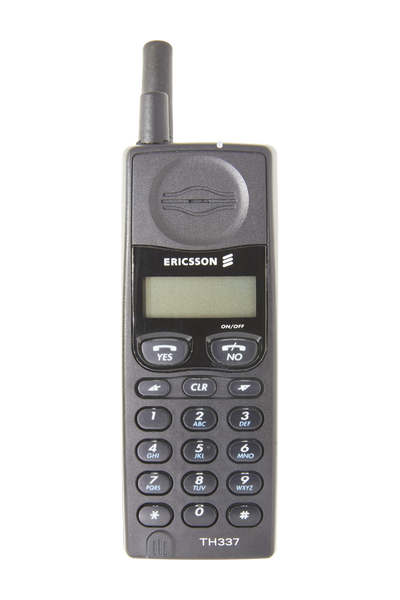
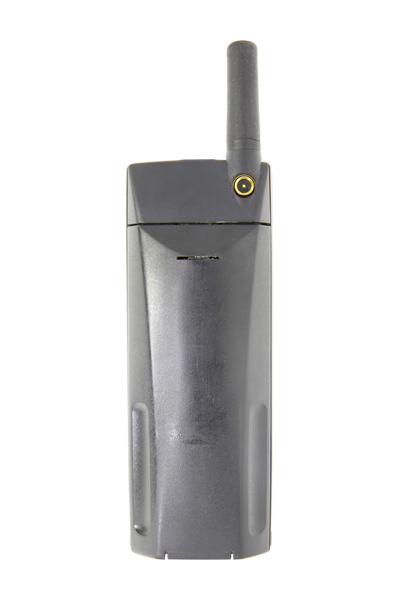
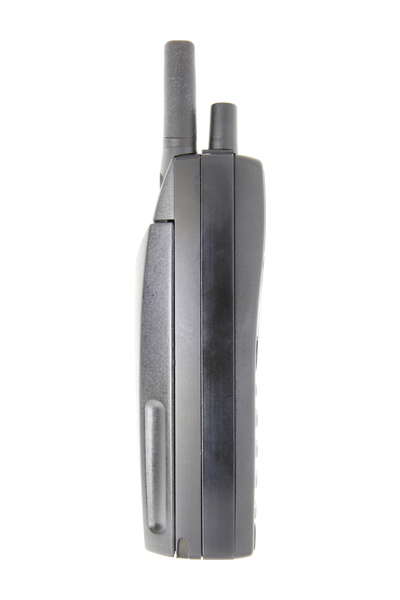
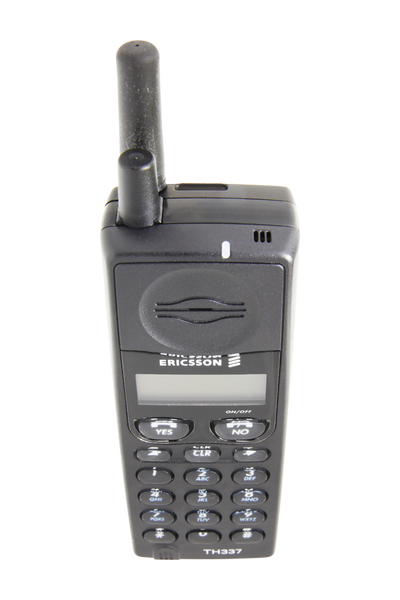
The Ericsson TH337 is an extremely rare, dual-mode prototype mobile phone that combined GSM 900 cellular technology with the Digital Enhanced Cordless Telecommunications (DECT) standard. It was developed by Ericsson in 1996. It had a bulky design and features two antennas – one for GSM connectivity and one for connecting to DECT networks.
The concept behind the device was that it would offer consumers a single device that was a capable mobile phone that worked on the GSM network, but that could also be used in an office (or a home) as a functional and cost-effective cordless phone when it was within range of a fixed DECT system. In 1996, it was estimated that approximately two million DECT handsets were in use worldwide, and the market was growing rapidly.
Although it was primarily a prototype device, Ericsson quickly moved to secure type approval, which ensured the device's technical compliance for use on public networks.
The phone was initially used in trials with the Telia network in Sweden, Ericsson’s home market. But samples were also provided to other networks, including Telenor Mobil in Norway and Vodafone in the UK.
Ericsson’s optimism for the device was underscored by Stig Fagerborn, then president of Ericsson’s Business Systems unit, who projected sales of between 10,000 and 20,000 units during the first half of 1997; however, this projection never materialised.
In early, small-scale trials using approximately 10 units, Ericsson struggled to get the device working, finding it impossible to switch calls between the GSM and DECT networks seamlessly. This undermined the primary purpose of the devices, which were designed to deliver a fixed-mobile convergence solution. As a result, Ericsson abandoned the phone and began working on a successor.
The result of the subsequent research and development was the Ericsson TH688 (codename: Lajla), which was unveiled at the CeBIT show in 1997. This new device was capable of seamlessly and automatically switching between a fixed DECT network (at home or in an office) and a GSM cellular network. This was primarily as a cost-saving measure, but also to offer a better overall quality of service when in a building and away from cellular connectivity.
The Ericsson TH337 was a significant milestone on the road towards fixed-mobile convergence, but also a notable failure for Ericsson, given the technical challenges it was unable to overcome. It remains an extremely rare fully regulatory-approved prototype device with only a small number of samples known to still exist.

